https://www.handpieceheadquarters.com/brands/kavo/expertmatic-e25-l.html?If your last dental cleaning felt different, like your dentist was using a fine spray of water and powder instead of a spinning rubber cup, chances are you experienced air polishing, which is an increasingly common part of modern oral hygiene visits. Patients often ask us how it works, whether it is safe, and how different systems compare with one another. This guide will walk you through the answers.
In short, air polishing uses a stream of air, water, and fine powder to lift stains, biofilm, and some tartar from teeth. It’s a great solution fit for many patients, though exact results and safety depend on the device, the powder, and your hygienist’s technique.
What Is Air Polishing?
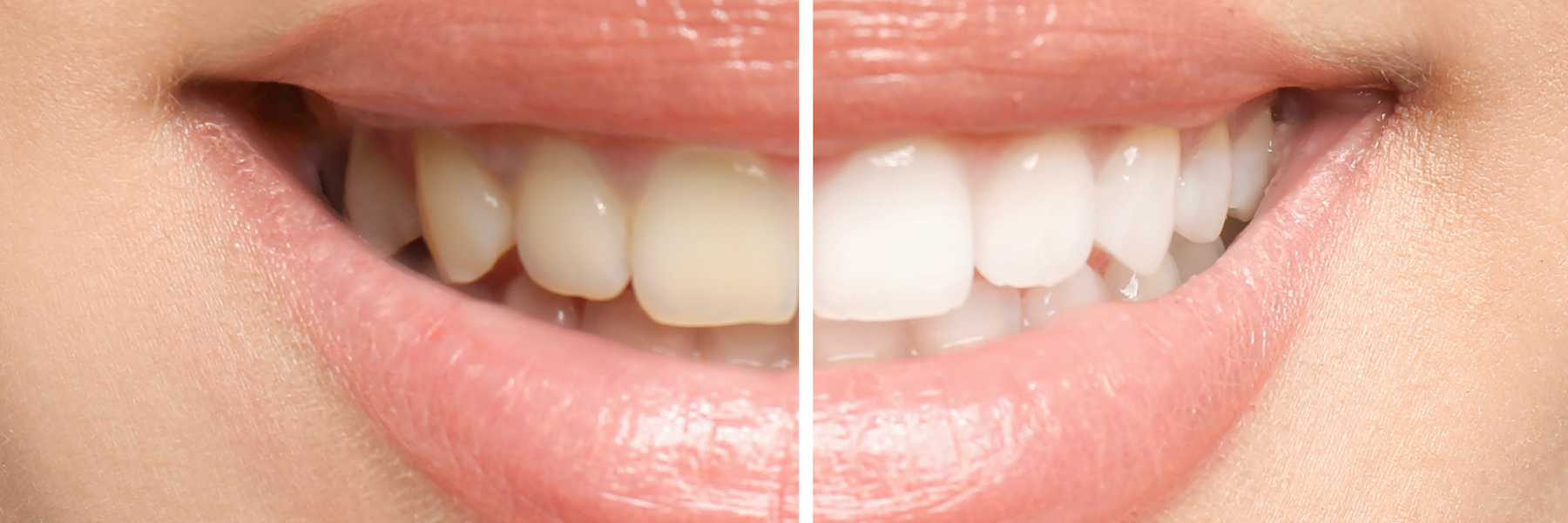
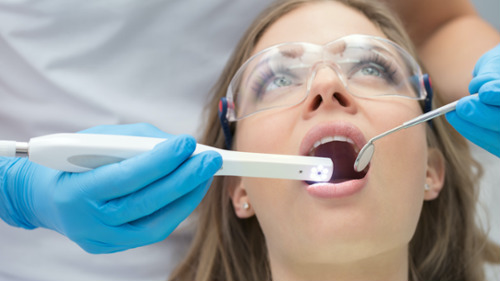
Air polishing delivers a controlled jet of compressed air, water, and a fine powder to the surface of the teeth. The spray breaks up stains and the sticky film of bacteria known as biofilm, and the water rinses it away as the hygienist works. The powder is the working ingredient, and different powders have different levels of abrasiveness, which makes it crucial to choose correctly. Air polishing can feel quicker and less scratchy than traditional polishing with a rubber cup and paste, and the handpiece is slim enough to reach around crowns, bridges, and orthodontics.
At Dental Wellness of Charlotte, Dr. Sergei Shirman’s team uses the AIRFLOW® Prophylaxis Master from EMS to remove stains, biofilm, and "dental calculus” (or tartar) from teeth, restorations, and dental implants, helps prevent peri-implantitis, and cleans periodontal pockets as part of gum treatment. Its slim design lets the team treat without disrupting your restorations.
Who May Benefit Most
Air polishing is a useful option for many individuals, though certain patients tend to benefit most:
- People with surface stains from coffee, tea, or red wine.
- Individuals with braces, bridges, or other hardware that make brushing challenging.
- Patients with gum disease who need pockets cleaned as part of periodontal care.
- Anyone who finds traditional polishing paste gritty and unpleasant.
Air polishing is generally comfortable, though a cool spray can briefly bother sensitive teeth. Tell your hygienist about sensitivity, gum recession, or exposed roots beforehand, so the powder and settings can be adjusted. That conversation helps keep the cleaning comfortable and gentle on your teeth.
It’s also important to note that air polishing doesn’t replace scaling (deep cleaning) when hard tartar is present. Also, some health conditions call for a different approach depending on the powder used, so make sure to inform your hygienist about your current health and history.
How Two Air Polishing Systems Compared in One Lab Study
Not every air polisher is built the same. Researchers have compared devices side by side. In a 2010 laboratory study, researchers treated 168 natural teeth, embedded in resin, with two air-polishing devices, KaVo’s PROPHYflex 3 and the EMS Handy, using four different powders and treatment times of 5, 10, and 20 seconds. They then measured the defects left in exposed root dentin under a confocal laser scanning microscope.
The PROPHYflex 3 produced deeper defects than the EMS device regardless of which powder was used. KaVo’s ProphyPearls powder caused the deepest defects with both devices. Meanwhile, the glycine-based ClinPro powder produced the least. Defects also grew deeper the longer the spray stayed in one place, with the authors concluding that a powder’s abrasiveness depends partly on the device delivering it.
What the Study Does (and Doesn’t) Tell You
A few cautions are worth keeping in mind. This study was done in a lab, not in patients’ mouths, and measured exposed root dentin, which is softer than enamel. The study also does not show that either device harms patients in routine care. In a real cleaning, a hygienist keeps the nozzle moving, adjusts settings, and avoids lingering on one spot. Also, the findings don’t automatically apply to every EMS model, as the EMS unit tested was the Handy, not the Prophylaxis Master used at Dental Wellness of Charlotte.
Put simply, however, in this experiment the EMS device left shallower marks than the KaVo device with every powder tested. However, the powder and the time spent on each spot mattered as well.
Is Air Polishing Right for You?
For most healthy adults, air polishing is a comfortable way to remove stains and biofilm, and a great complement (not a replacement) to traditional scaling. The right approach depends on your periodontal health, existing restorations, and health history. The best way to determine whether air polishing is right for you is a conversation and exam with your hygienist and Dr. Shirman.
Safe, Gentle Dental Cleanings in South Charlotte, NC
If you’re in Charlotte and would like to learn more about air polishing, including how the process feels and which powder is best suited to your teeth and gums, contact Dr. Sergei Shirman and the excellent Dental Wellness of Charlotte team to schedule a cleaning and exam.