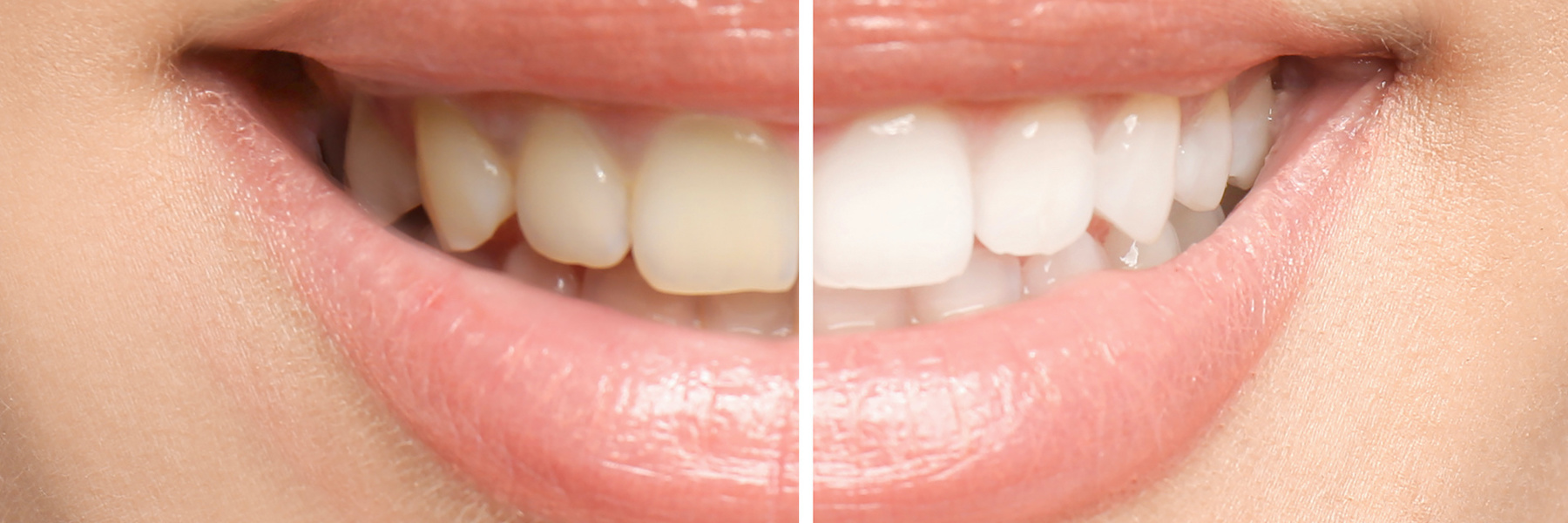

Fluoride has been a cornerstone of preventive dentistry for decades. It is a naturally occurring mineral that strengthens your teeth’s protective outer layer, or enamel. Every day, acids from food and bacteria weaken enamel through a process called demineralization. Fluoride helps reverse this damage by promoting remineralization, strengthening teeth, and making them more resistant to future decay.
At Dental Wellness of Charlotte, preventive care provided by Dr. Sergei Shirman and our expert team often includes fluoride, as it reduces cavity risk, supports long-term oral health, and helps patients avoid more invasive treatments. It’s a simple addition with a powerful impact.
Incredibly, however, confusion and misinformation still surround its origin and use. As a result, many families continue to wonder whether fluoride is necessary, safe, or even beneficial in today’s world. The reality is unequivocal: fluoride is one of the most effective, well-researched tools we have for preventing tooth decay in both children and adults. For anyone with lingering questions, separating fact from fiction can be a game-changer in making confident decisions that protect your family’s smiles for the long term.
Myth #1: Fluoride is Only for Children and Growing Teeth
While fluoride plays a critical role during childhood, it remains just as important for adults. Teeth are constantly exposed to acids, and, regardless of age, enamel can weaken over time due to diet or dry mouth.
Dr. Sergei Shirman often recommends fluoride for adults who experience sensitivity, frequent cavities, or gum recession. This is because, as gums recede, the tooth roots beneath them become exposed. These areas are more vulnerable to decay. Fluoride helps protect their surfaces and maintain their strength throughout adulthood.
Myth #2: Fluoridation is an Outdated Practice
Some believe water fluoridation is no longer necessary. In reality, however, it remains a highly effective public health measure. Studies consistently show that communities with fluoridated water experience significantly lower rates of tooth decay.
Fluoridation is also cost-effective and accessible, benefiting people of all ages and income levels. In fact, rather than being outdated, it remains among our best, most modern, and evidence-based approaches to improving overall oral health at the community level.
Myth #3: Fluoride is Dangerous for Children
Safety concerns are common, especially when it comes to our children. However, for both kids and adults, fluoride is safe when used correctly. The key is proper dosage and supervision. Young children should use only a small, age-appropriate amount of toothpaste and avoid swallowing it.
Dental professionals provide clear guidance to parents to ensure safe use. In fact, the risk of untreated cavities far outweighs the minimal risks associated with proper fluoride exposure. Fluoride helps protect developing teeth and reduces the likelihood of pain, infection, and more complex dental procedures.
Myth #4: If I Use Fluoride Toothpaste, I Don't Need It in My Water
Fluoride toothpaste and fluoridated water serve complementary but different roles. Toothpaste delivers a concentrated, topical dose during brushing. Water, meanwhile, provides consistent, low-level exposure throughout the day. This combination creates a stronger defense against decay than either method alone. Relying on just one source may reduce the overall protective effect, especially for patients at higher risk of cavities.
Myth #5: Fluoride is a Human-Made Chemical
Let’s be completely clear: fluoride is not a synthetic substance. It occurs naturally in soil, rocks, water, and certain foods, like:
- Grapes
- Raisins
- Tea (especially black and green)
- Fish (particularly those eaten with bones, like sardines)
The fluoride used in public water systems meets strict safety standards and has been extensively studied for decades. Community water fluoridation adjusts fluoride levels to an optimal range that supports dental health. This controlled adjustment ensures safety while maximizing the shared benefits.
How Fluoride Fits into Your Daily Routine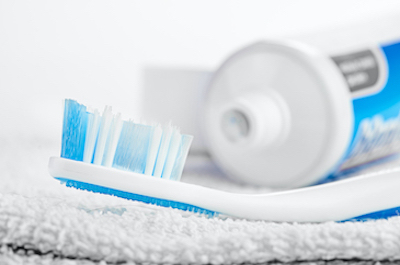
Fluoride works best when it’s part of a consistent, well-rounded oral care routine. This includes brushing twice daily with fluoride toothpaste, drinking fluoridated water, and attending regular dental checkups, all of which contribute to stronger, healthier teeth. Your dentist may also recommend professional fluoride treatments for added protection, especially if they’ve determined that you are at an elevated risk of tooth decay.
By combining these simple habits, you leverage the power of fluoride to build a steady defense against cavities and support your family's long-term oral health.
The Bottom Line: Trust Science, Not Myths
Misinformation can make it difficult to know what’s best for your family’s health. Fluoride remains one of the safest, most effective ways to prevent tooth decay and maintain strong, healthy smiles. When used appropriately, it provides long-lasting protection that benefits patients at every stage of life.
Effective, Preventive Dental Care in Charlotte, NC
If you’re in Charlotte and want to learn more facts about fluoride and its role in cavity prevention and protecting your family’s smiles, contact Dr. Sergei Shirman and the caring and skilled Dental Wellness of Charlotte team to schedule a consultation.